Menu
Your Cart

Gallery

Gallery

Analytical Methods

At Integrity Gemological Laboratory (IGL), we understand that the world of gemstones is evolving faster than ever. New deposits of popular gems, along with rare and unusual minerals, are being discovered across the globe—and inevitably make their way into leading gem markets like Jaipur. At the same time, the development of advanced synthetics and innovative treatments has increased the complexity of accurate gemstone identification. At IGL, every report we issue is the result of rigorous research, scientific precision, and decades of practical expertise. Our laboratory combines traditional gemmological examination with cutting-edge analytical technologies, including advanced spectrometers and specialized testing equipment.

Traditional Gemmological Methods

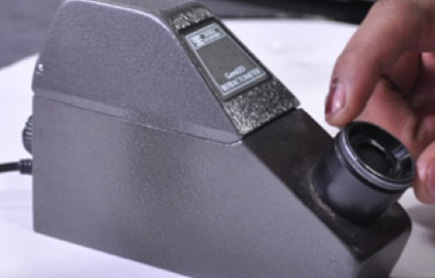
Traditional gemmological tools and techniques continue to serve as the foundation for identifying the natural characteristics of gemstones. At Integrity Gemological Laboratory (IGL), these classical methods help determine essential physical properties—such as specific gravity, hardness, and cleavage—as well as vital optical characteristics including optic character, pleochroism, refractive index, birefringence, optic sign, absorption spectrum, and fluorescence behavior. By comparing these observations with established gemmological reference data, our experts gain valuable qualitative insights into the nature of each mineral species.

Common instruments such as the polariscope, dichroscope, refractometer, spectroscope, UV lamp, and specific gravity testing tools remain integral to our initial examination workflow.

However, with the rise of advanced treatments, sophisticated synthetics, and complex enhancements, traditional methods alone are no longer sufficient to answer the deeper scientific questions required for modern gemstone authentication. At IGL, these classical tools are seamlessly paired with state-of-the-art analytical technologies—ensuring complete, reliable, and scientifically backed identification. Together, they form a robust system that meets the demands of today’s advanced gemological challenges.

Microscopy

Advanced Gem Identification at Integrity Gemological Laboratory (IGL)

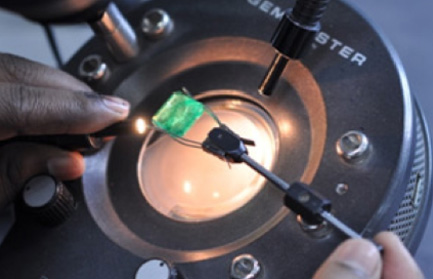
At Integrity Gemological Laboratory (IGL), the microscope remains the cornerstone of every gem identification process — the true heart of our laboratory. Through detailed and meticulous microscopic examination, our experts evaluate essential aspects of each gemstone, including its species, origin, internal characteristics, and any treatments it may have undergone. Every analysis at IGL begins with comprehensive microscopic observation, forming the foundation upon which advanced spectrometric techniques verify the results.

IGL is among the select few gemological laboratories equipped with LA-ICP-MS technology—capable of performing ultra-precise chemical fingerprinting of gemstones at concentrations as low as parts per billion (ppb). This level of accuracy empowers us to deliver highly reliable identification and origin determination reports.

Fourier Transform Infrared (FTIR) Spectrometer

FTIR Spectrometry at Integrity Gemological Laboratory (IGL)

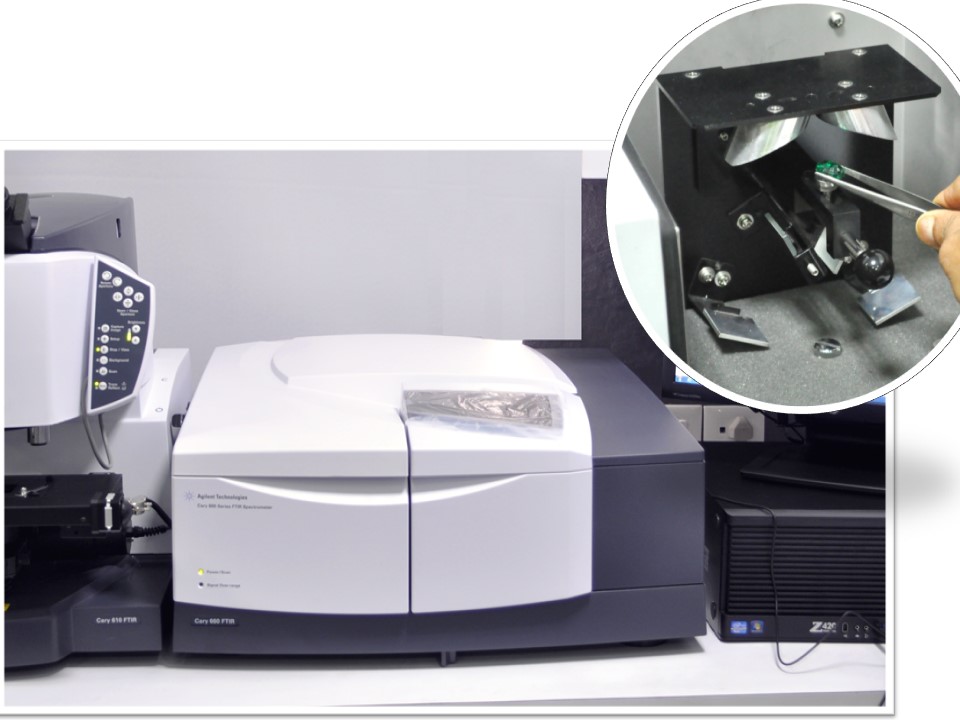
Every gemstone possesses a unique crystal structure and molecular arrangement, which results in characteristic absorption and transmission patterns when exposed to infrared light. These infrared signatures act as a distinct fingerprint, allowing experts to accurately identify and analyze gemstones with high precision.

At Integrity Gemological Laboratory (IGL), FTIR (Fourier Transform Infrared) Spectrometry is a key technique used in our routine and advanced gemological analyses. Over years of research and continuous application, IGL has developed an extensive spectral reference database, enabling our gemologists to interpret gemstone characteristics with exceptional accuracy.

Laser Raman Spectrometer (LRS)

Laser Raman Spectrometry (LRS) at Integrity Gemological Laboratory (IGL)

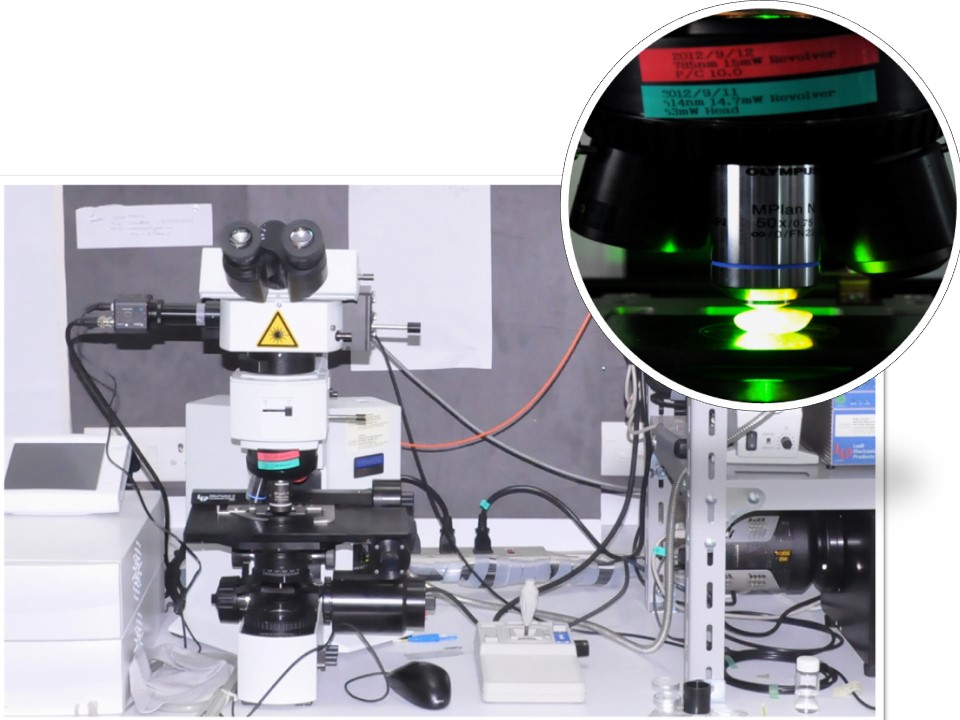
Laser Raman Spectrometry (LRS) is a powerful analytical method based on the Raman Effect — a phenomenon that occurs when a laser interacts with the molecular bonds of a substance. During this interaction, part of the light scatters while another part is re-emitted, producing a unique Raman spectrum. This spectrum acts as a precise molecular fingerprint, allowing accurate identification of gemstones and minerals.

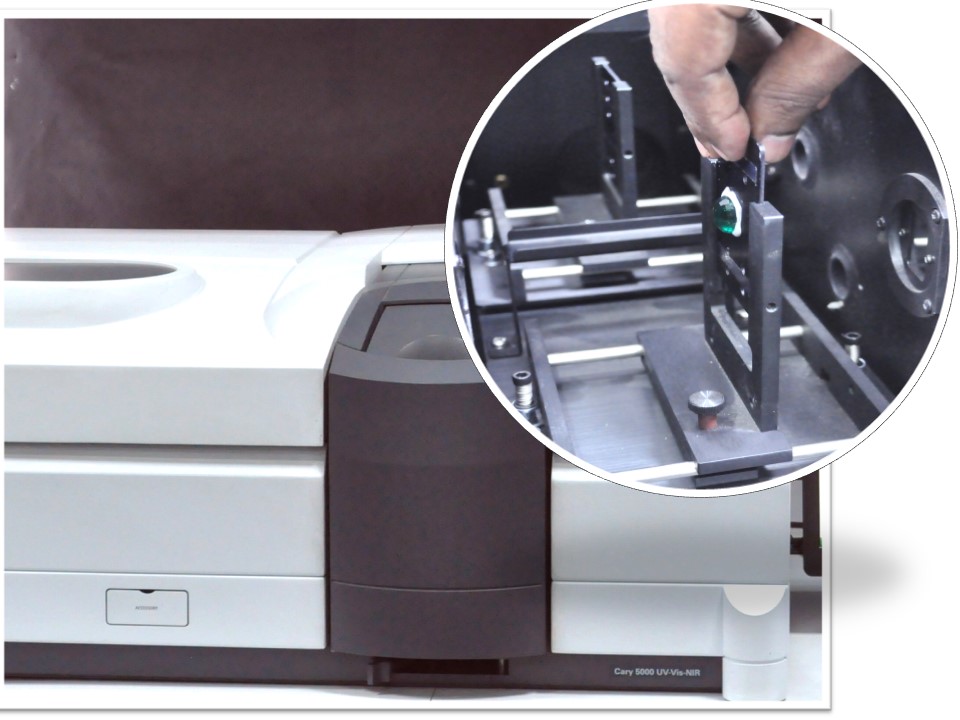
At Integrity Gemological Laboratory (IGL), our advanced Raman spectrometer is equipped with multiple laser sources, enabling high-resolution analysis of both diamonds and coloured gemstones. It also offers the capability to record photoluminescence spectra, even at extremely low temperatures, enhancing the accuracy of gemstone characterization.

Ultra Violet-Visible - Near Infrared Spectrometer

FTIR Spectrometry at Integrity Gemological Laboratory (IGL)

Every gemstone possesses a unique crystal structure and molecular arrangement, which results in characteristic absorption and transmission patterns when exposed to infrared light. These infrared signatures act as a distinct fingerprint, allowing experts to accurately identify and analyze gemstones with high precision.

At Integrity Gemological Laboratory (IGL), FTIR (Fourier Transform Infrared) Spectrometry is a key technique used in our routine and advanced gemological analyses. Over years of research and continuous application, IGL has developed an extensive spectral reference database, enabling our gemologists to interpret gemstone characteristics with exceptional accuracy.

Energy Dispersive X-ray Flouroscene (EDXFR) Spectrometer
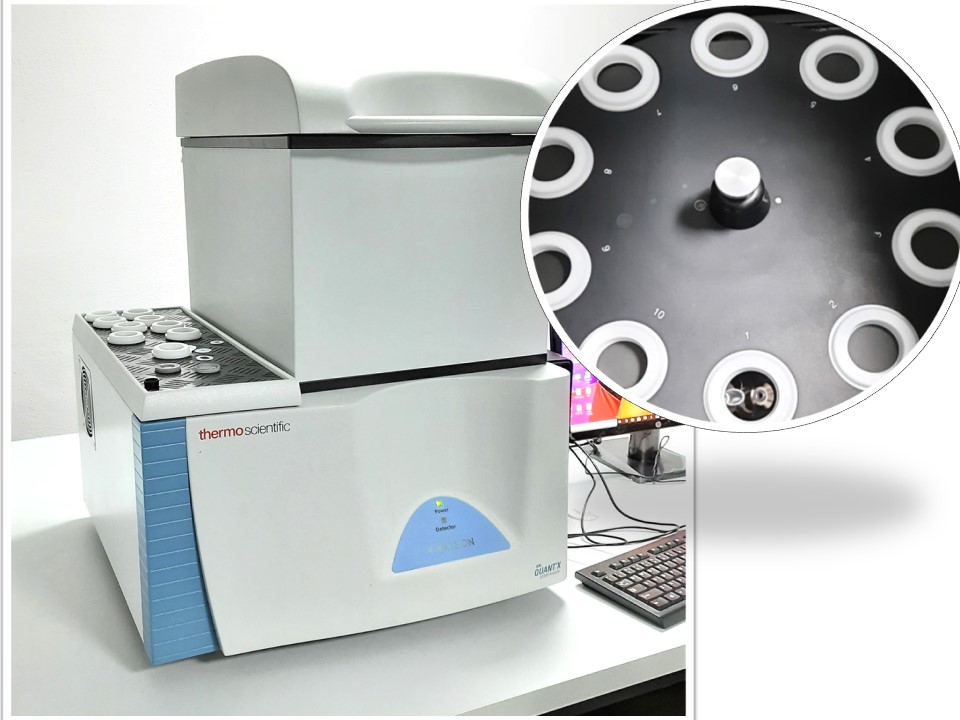
Energy Dispersive X-Ray Fluorescence (EDXRF) at Integrity Gemological Laboratory (IGL)
Energy Dispersive X-Ray Fluorescence (EDXRF) spectrometry is a powerful technique used to determine the chemical composition of a gemstone’s surface. When a sample is exposed to X-rays, its atomic electrons become excited and then return to their original energy levels, releasing fluorescence in the process. These emitted energies appear as distinct peaks, which reveal the presence and concentration of various elements within the gemstone.

At Integrity Gemological Laboratory (IGL), EDXRF plays a crucial role in fast, non-destructive chemical analysis. This technique helps our gemologists:

  • Differentiate between visually similar gemstones and imitations
  • Identify glass-filled rubies and determine the type of filling
  • Detect surface coatings on gemstones such as tanzanite and diamonds
  • Identify “Zachery” treatment in turquoise
  • Separate natural turquoise and coral from their imitations.

Laser Ablation-Inductively Coupled Plasma- Mass Spectrometer (LA-ICP-MS)

LA-ICP-MS at Integrity Gemological Laboratory (IGL)

(Laser Ablation – Inductively Coupled Plasma – Mass Spectrometry)

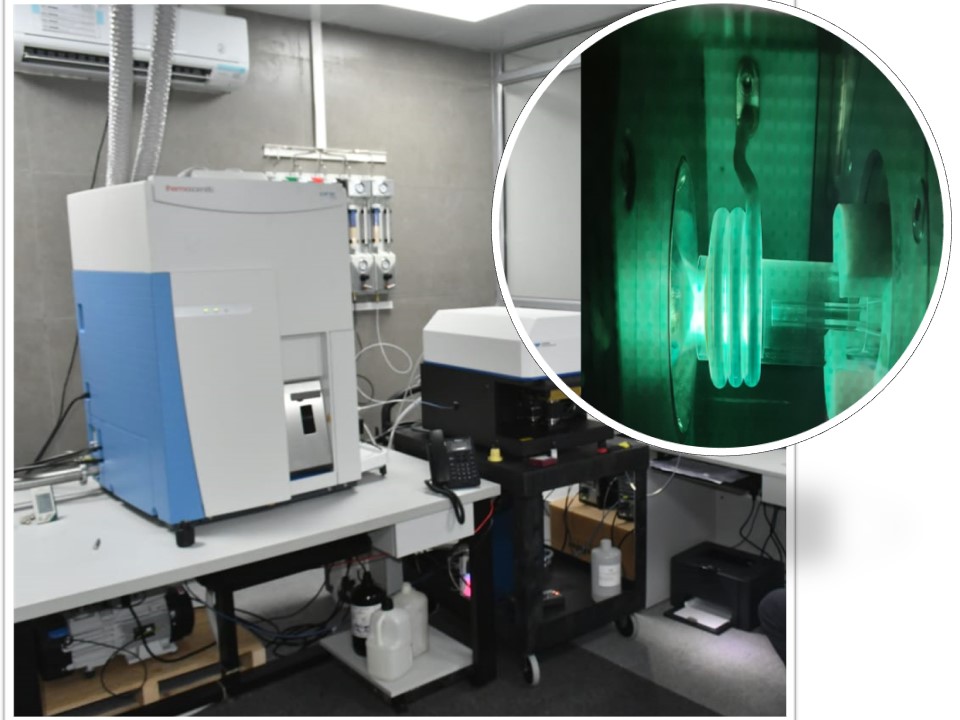
Laser Ablation–Inductively Coupled Plasma–Mass Spectrometry (LA-ICP-MS) is one of the most advanced and precise techniques available for micro-chemical analysis of solid materials. With its exceptional sensitivity and accuracy, this method has become indispensable in modern gemology, especially in cases where traditional analytical tools cannot provide definitive results.

LA-ICP-MS allows the study of micro-spatial distribution of trace elements and isotopes — from the lightest elements like helium to heavy elements like uranium — with minimal or no sample preparation. It generates quantitative data for major, minor, and trace elements, enabling the creation of detailed chemical variation diagrams and distinctive “elemental fingerprints.” These fingerprints are critical for determining geographic origin and identifying treatments such as beryllium diffusion and other light-element enhancements.

At Integrity Gemological Laboratory (IGL), our LA-ICP-MS system uses a precise 213 nm laser that ablates microscopic portions of the sample without causing cracks or damage. The laser spot size is typically around 50 microns — roughly half the width of a human hair. During ablation, tiny particles and ions are released and transported via helium gas into the argon plasma of the mass spectrometer. Inside the ~7000°C plasma, particles are disintegrated and ionized, allowing nearly all natural elements — including very light elements like Li, Be, B, and Na — to be detected with exceptional sensitivity.

Most elements can be measured at concentrations down to sub-ppb (parts per billion) levels, making LA-ICP-MS unmatched by any conventional analytical technique.

IGL is among the very few laboratories equipped with LA-ICP-MS specifically for gemological applications. This cutting-edge technology plays a crucial role in our advanced chemical fingerprinting processes, particularly for determining the geographic origin of rubies, sapphires, and emeralds with the highest level of scientific accuracy.

microCT (2D/3D x-ray imaging/radiography)
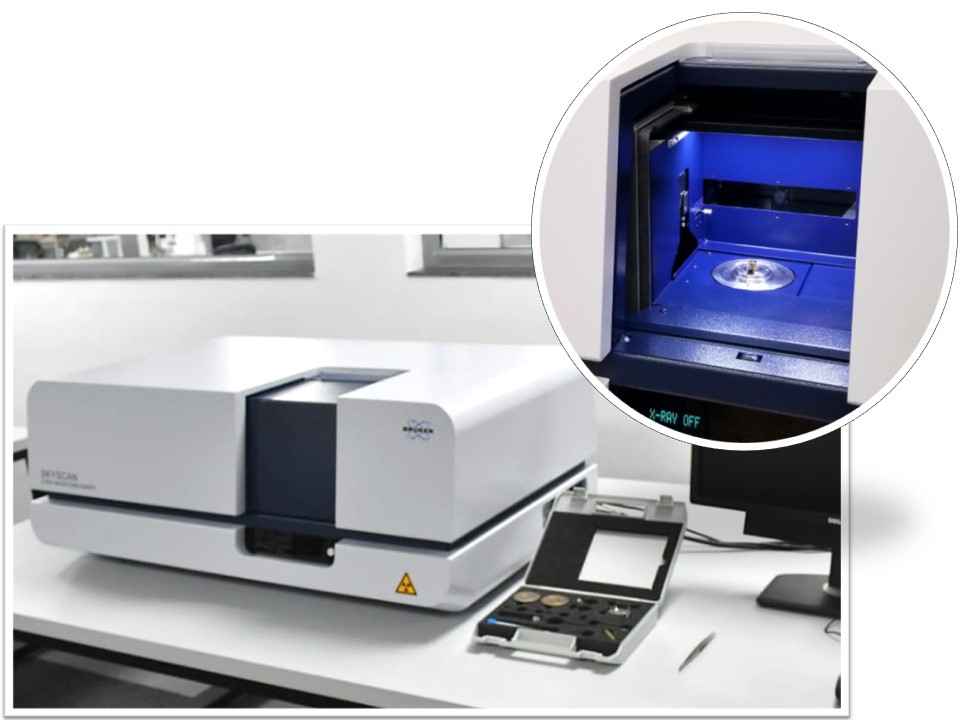
High-Resolution X-Radiography at Integrity Gemological Laboratory (IGL)

High-resolution X-radiography is a powerful, non-destructive imaging technique used to observe the internal structure of gemstones and organic gems—most notably pearls—with exceptional clarity. By transmitting high-intensity X-rays through a sample, this method reveals structural details that are often invisible through traditional gemological tools.

At Integrity Gemological Laboratory (IGL), our advanced micro-radiography system provides real-time, high-resolution imaging, allowing gemologists to examine fine internal features with outstanding precision. The system produces instant digital images that can be magnified, enhanced, and viewed from multiple angles on a high-resolution display. This rapid imaging capability enables the capture of numerous views at varying magnifications, contrasts, and representations—significantly improving the accuracy of pearl analysis.

Ultraviolet Imaging ‘Diamondview™’

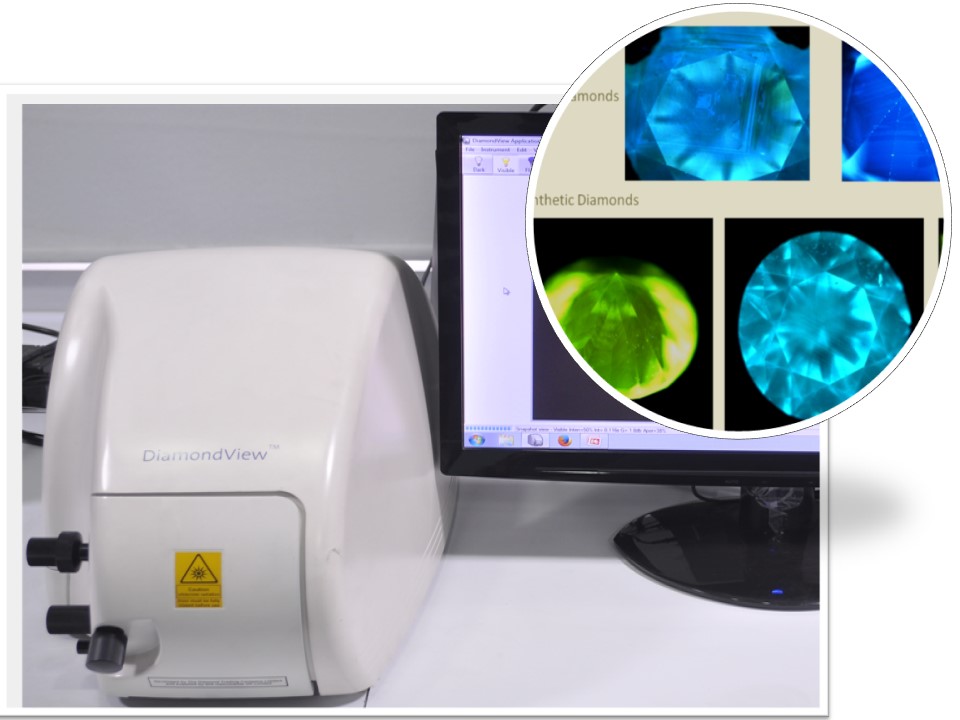
DiamondView™ is an advanced proprietary imaging technology that uses deep short-wave ultraviolet light (below ~225 nm) to reveal the internal and surface growth features of diamonds. When exposed to this UV light, diamonds emit fluorescence, which is captured through a high-resolution CCD camera and displayed via specialized software. This allows gemologists to visualize growth structures just a few microns beneath the surface, as well as observe any phosphorescent reactions.

At Integrity Gemological Laboratory (IGL), DiamondView™ plays a crucial role in confidently distinguishing natural diamonds from lab-grown (synthetic) diamonds. By examining the unique fluorescence patterns and growth structures, our experts can detect manufacturing signatures, growth anomalies, and other indicators that are not visible through standard gemological methods.

SynthDetect™

SynthDetect™ Diamond Screening at Integrity Gemological Laboratory (IGL)

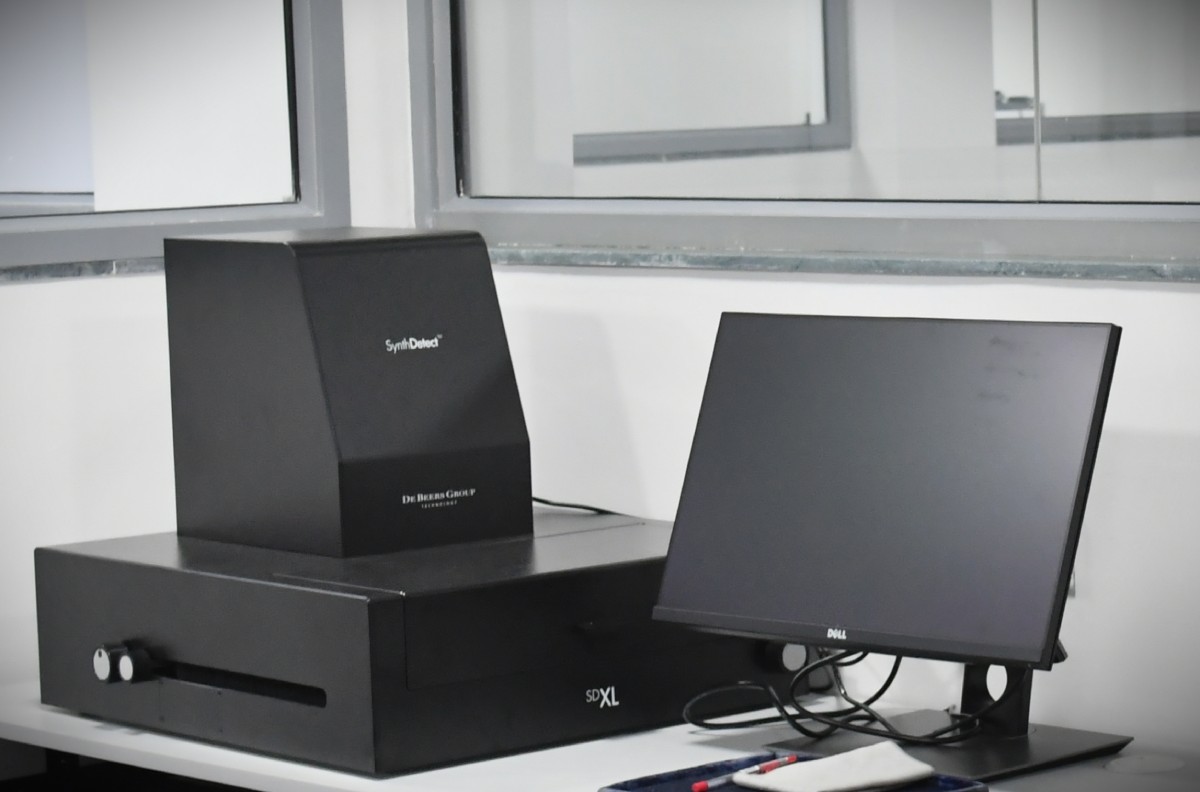
SynthDetect™ is an advanced screening system developed by De Beers Group Industry Services for the reliable separation of natural and lab-grown (synthetic) diamonds. Designed for high accuracy and efficiency, it is particularly effective for examining stones that are already mounted in jewellery.

At Integrity Gemological Laboratory (IGL), SynthDetect™ is used as a first-level screening tool to:

  • Examine diamonds set in jewellery prior to grading
  • Screen loose polki-cut diamonds in batches
  • Identify potential synthetic or HPHT-treated diamonds requiring further advanced testing

Automated Melee Screening Machine (AMS2TM)

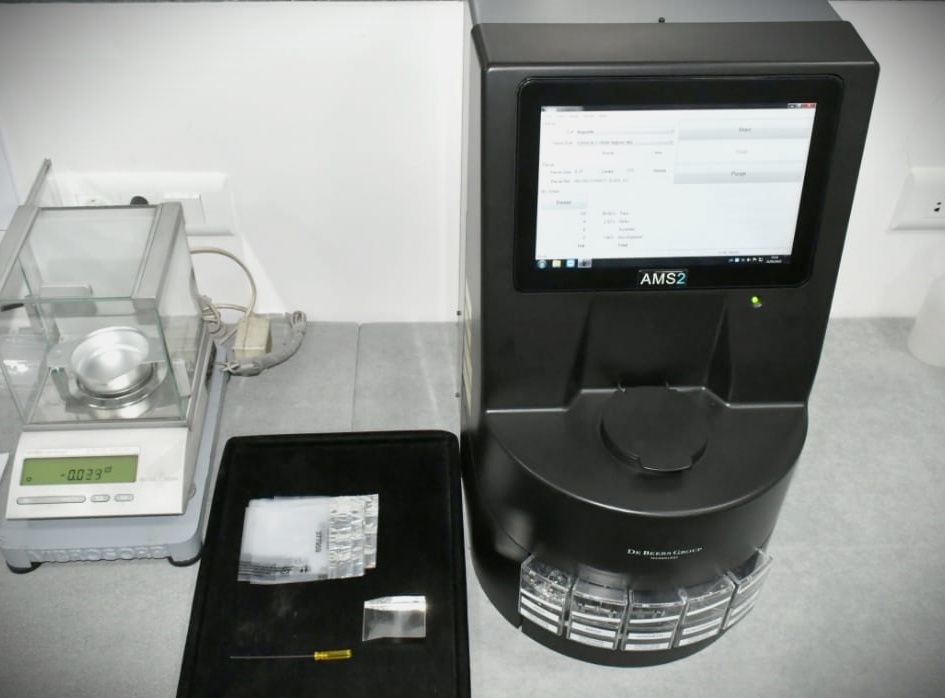
AMS2™ Automated Diamond Screening at Integrity Gemological Laboratory (IGL)

The AMS2™ system from De Beers Group Industry Services is a high-speed automated screening instrument designed specifically for analyzing colourless to near-colourless star and melee-sized diamonds. Its advanced technology offers rapid and reliable separation of natural and potential synthetic diamonds, making it an essential tool for large-volume testing.

At Integrity Gemological Laboratory (IGL), AMS2™ allows us to:

  • Efficiently screen packets of star and melee diamonds
  • Maintain high accuracy even in challenging small-size ranges
  • Offer bulk diamond screening services at significantly lower costs due to its speed and automation

This system enables IGL to deliver fast, economical, and dependable results for clients dealing with high-volume melee diamond parcels.

Diamond Cut Scanner

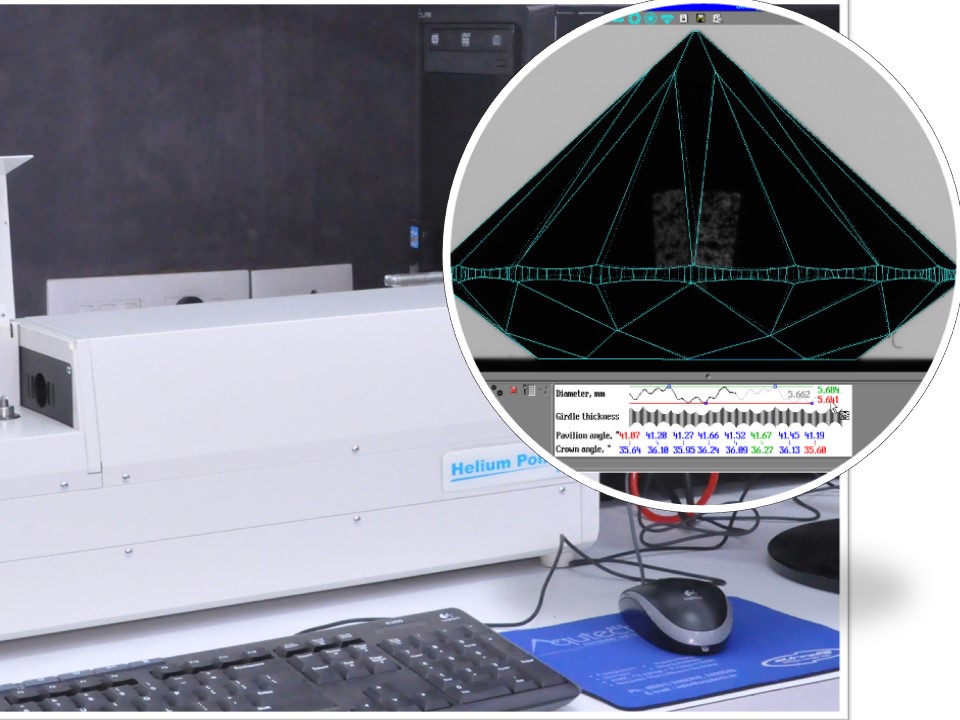
3D Diamond & Gemstone Scanning at Integrity Gemological Laboratory (IGL)

Our advanced 3D scanning system precisely measures the dimensions of cut and polished diamonds as well as gemstones. The scanner captures the angles, inclinations, and positions of every facet, and accurately measures each facet edge to produce a detailed 3D wireframe model of the stone.

Using this data, the software calculates the exact proportions and symmetry of the cut, providing essential insights into how effectively the diamond interacts with light—one of the key factors in determining its brilliance and overall performance.

Gallery